Choosing the perfect Mediterranean destination for your next vacation on the water often comes down to two legendary options. The coastlines of the Aegean and Ionian seas offer incredible history, clear waters, and fantastic local cuisine. Deciding whether to explore the ancient ruins along the Turquoise Coast or hop between picturesque Cycladic islands can be an exciting challenge. Whether you want a relaxed family trip or an active maritime adventure, comparing the geography, weather, and mooring options will easily guide your choice. At SamBoat, we make it easy to find the right boat for your plans, connecting you with verified boat owners and professional captains worldwide to turn your dream vacation into reality.
Turkey & Greece as Sailing Destinations – Overview
Geography & Cruising Grounds
When planning a trip on the water, the fundamental layout of your destination dictates the pace of your journey. The Greek cruising grounds are vast and heavily island-based, meaning your itinerary will mostly consist of open-water crossings from one island to the next. You get a tremendous variety of landscapes, from the lush green Ionian islands in the west to the stark, iconic whitewashed architecture of the Aegean archipelagos.
Key Sailing Regions in Each Country
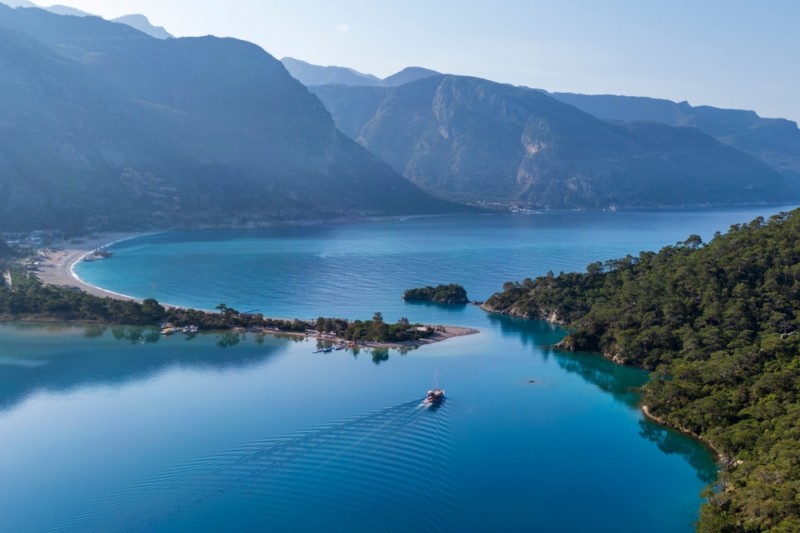
In contrast, the Turkish Riviera, frequently called the Turquoise Coast, is primarily a mainland coastal cruising experience. Instead of long open-water passages, you navigate along a deeply indented shoreline filled with protected gulfs, hidden caves, and pine-clad mountains. Popular starting points include Fethiye, Marmaris, and Bodrum. If you want a structured route, exploring a 7-day itinerary in Turkey from Gocek provides a great mix of sheltered cruising and access to ancient historical sites. Alternatively, if you lean toward a classic island-hopping format, following a sailing guide to Greece helps you navigate the distinct archipelagos, such as the Saronic Gulf or the Dodecanese, each offering a unique local culture. Both destinations offer a lifetime of exploration. Greece favors those who love the thrill of arriving at a new island every day, while Turkey rewards those who prefer a relaxing journey along a continuous, highly scenic coastline.
Sailing Conditions & Weather Compared
Understanding the local wind and sea behavior helps you pick the right location and time of year for your skill level. Both countries boast sunny climates, but their daily microclimates vary significantly.
Wind Patterns: Meltemi vs Turkish Thermals
The winds dictate much of the daily rhythm in this part of the Mediterranean.
- The Meltemi in the Aegean: During the peak summer months of July and August, this strong, dry northerly wind sweeps across the Greek Aegean Sea. It provides exhilarating conditions for seasoned sailors who love a fast pace, but the occasional strong gusts can keep less experienced crews safely at port.
- Turkish coastal thermals: Along the Turkish Riviera, the wind patterns tend to be much more predictable and less aggressive. You typically experience very calm mornings perfect for motoring or swimming, followed by a steady afternoon sea breeze that gracefully dies down by sunset, offering a highly comfortable daily routine.
Sea Temperature & Sailing Season Length
The time of year you plan to travel impacts both locations.
- Extended season in the east: The southern Turkish coast generally enjoys a slightly longer and warmer season. The water warms up earlier in the spring and stays incredibly inviting for swimming well into late October and early November.
- Peak summer focus: The Greek islands share a lovely Mediterranean climate, though the northern regions and the Ionian Sea cool down a bit faster than the sheltered eastern bays. September is widely considered the absolute best month for both, offering warm seas and fewer crowds.
Difficulty Level & Licensing Requirements
Your experience level should guide your final decision on where to drop anchor.
- Navigation challenges: The Greek Cyclades demand a higher level of sailing proficiency due to the lively Meltemi and longer open-water crossings between islands. Meanwhile, the Saronic Gulf, the Ionian Sea, and the vast majority of the Turkish coast are much gentler, making them ideal for beginners, couples, or families seeking a smooth ride.
- Charter formalities: Both countries require a valid international sailing license or equivalent certification for bareboat charters. If you prefer to relax completely without worrying about navigation, renting a boat with a captain is a wonderful way to enjoy the journey without any stress.
Anchorages, Marinas & Overnight Options
Where you sleep each night plays a massive role in the overall feel of your trip. The infrastructure and mooring customs differ notably between the two beautiful coastlines.
Greek Harbors & Free Town Quays
In the islands, the local infrastructure is deeply integrated into the historic coastal villages.
- Town quays: The classic Greek experience involves mooring stern-to right at the public town quay. You step off the back of the boat directly onto a bustling promenade lined with friendly cafes and tavernas.
- Cost-effective docking: One of the biggest advantages of these public quays is the low cost. You often pay very little for an overnight stay, leaving more of your budget for dining out. However, finding the 5 best locations for anchoring in Greece requires arriving early in the afternoon during peak season, as spots fill up very fast.
Turkish Bays, Jetties & Restaurant Moorings
Across the water, the approach to overnight stays feels distinctively different and often more secluded.
- Restaurant jetties: A unique feature of the Turquoise Coast is the abundance of private wooden docks owned by family-run restaurants. In exchange for eating dinner at their establishment, they provide free mooring, often with helpful staff ready to catch your lines as you arrive.
- Pine-fringed bays: You will spend many nights anchored in remote, incredibly quiet coves. The holding is generally excellent, and the backdrop of steep, forested mountains meeting crystal-clear water is simply stunning.
Our Verdict: Turkey or Greece?
Both locations promise an unforgettable vacation. If your goal is to experience vibrant island villages, traditional white-and-blue architecture, and you enjoy spirited sailing between landmasses, the Greek archipelagos are calling your name. Conversely, if you prefer calm waters, lush green coastal scenery, and dining at remote, boat-access-only restaurants tucked into quiet coves, the Turkish coast is the ultimate destination. Rent a boat with SamBoat and enjoy the experience on your terms, whichever side of the sparkling Aegean you choose.
When deciding how to explore these beautiful waters, choosing the right vessel shapes your entire experience. Below is a helpful guide to the most popular options available when you book a boat rental in Turkey or a boat rental in Greece, including the highly sought-after sailboat rental in Greece.
| Boat type | Licence needed? | Ideal for | Typical group size |
|---|---|---|---|
| Sailboat | Yes (or hire a captain) | Authentic sailing, open-water crossings | 4-8 guests |
| Catamaran | Yes (or hire a captain) | Families, spacious comfort, shallow anchorages | 6-12 guests |
| Motorboat | Varies by engine size | Day trips, quick coastal transfers, beach hopping | 2-8 guests |
| Gulet | No (comes fully crewed) | Large groups, luxury Turkish coastal cruising | 8-16 guests |
FAQ Section
1. Is sailing in Turkey cheaper than Greece?
Generally, marina fees and daily expenses can be slightly lower on the Turkish coast compared to highly popular Greek islands like Mykonos or Santorini. However, public town quays in the Greek islands are famously inexpensive for overnight docking. Your overall budget will depend largely on the type of vessel you select and your daily dining choices.
2. Can you sail from Greece to Turkey on a charter yacht?
Crossing international borders on a bareboat charter is usually not permitted by most rental fleets due to insurance limitations and customs complexities. It is highly recommended to stay within the territorial waters of the country where you begin your journey to enjoy a smooth and relaxed vacation.
3. Which country is better for beginner sailors, Turkey or Greece?
The sheltered gulfs of the Turkish Riviera and the Greek Ionian Sea are both fantastic choices for beginners. They feature calm seas and predictable, gentle breezes, whereas the central Aegean Sea and the Cyclades are much better suited for experienced crews who are comfortable navigating strong seasonal winds.
4. What is the best time of year to sail in Turkey vs Greece?
The optimal time for both destinations is September, when the water is wonderfully warm, the summer crowds have thinned out, and the winds are highly manageable. The southern Turkish coast also offers excellent, sunny conditions in late spring and deep into October for late-season getaways.
5. Is Turkey or Greece better for island hopping by boat?
If hopping from one distinct island to another is your primary goal, the vast Greek archipelagos are completely unmatched. The Turkish coast is more focused on mainland coastal cruising, with fewer large offshore islands but countless beautiful, hidden mainland bays waiting to be explored.


